

A single word can hold multiple meanings, each layered with significance. Kibard is one such term — a bridge between ancient cultural traditions and modern keyboard innovations. From its roots in historic practices that united communities to its role in contemporary computing, Kibard seamlessly blends heritage with technology.
This in-depth guide dives into every aspect of Kibard, offering readers a clear understanding of its cultural importance, modern keyboard applications, and impact on digital productivity. Whether you’re exploring cultural heritage, curious about keyboard technology, or looking to integrate both in your workflow, this article provides an authoritative, engaging, and fully SEO-optimized overview of Kibard.
What is Kibard? Understanding Its Dual Meaning
The term “Kibard” may not appear in every dictionary, yet its significance spans both cultural heritage and modern technology. In one sense, Kibard refers to a traditional cultural practice centered on community, ritual, and shared experiences. In another, it has evolved into a creative name for the modern keyboard — a critical input device that connects users to computers, boosts productivity, and shapes digital interaction.
Kibard as a Cultural Practice
Historically, Kibard represents more than just a concept — it is a living tradition. Passed down through generations, it fostered community bonding, collective creativity, and a profound sense of belonging. While not universally recognized, the ethos of Kibard — encompassing rituals, storytelling, music, dance, and communal celebrations — mirrors cultural practices found in civilizations across the globe.
Cultural Kibard encouraged active participation, collaboration, and mutual support. Shared meals, ceremonies, and creative gatherings were central, reinforcing social ties and preserving heritage through collective memory.
Kibard as a Modern Keyboard
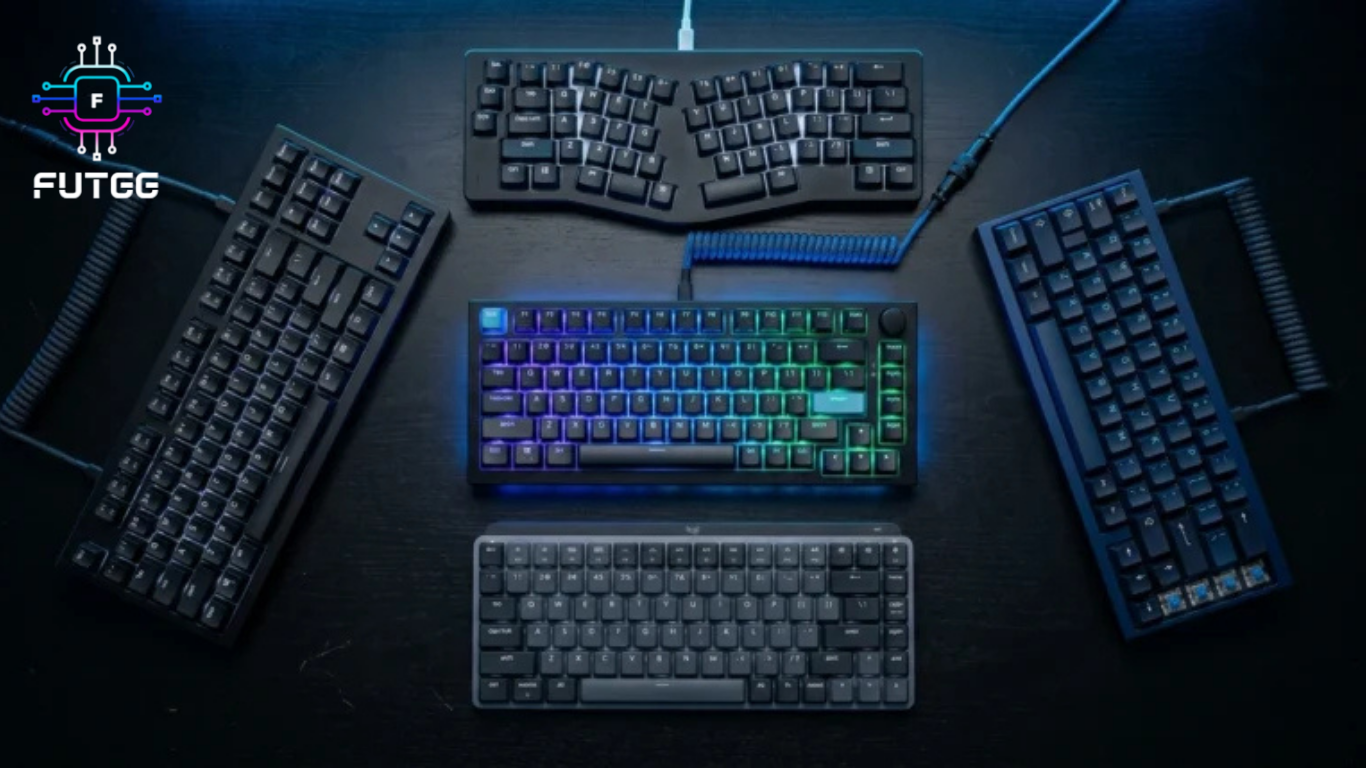
In the digital age, “Kibard” has been reimagined as the keyboard, the essential device that powers communication, creation, and control in our tech-driven world. From standard QWERTY layouts to ergonomic and customizable designs, modern Kibards enhance productivity, gaming experiences, and creative workflows.
The contemporary Kibard is indispensable for nearly every digital task, bridging ideas and action, enabling seamless communication, and driving efficiency in both personal and professional contexts.
The Origins and Cultural Significance of Kibard
Cultural interpretations of Kibard are deeply rooted in tradition and community rituals that span generations. While not confined to a single region, similar practices appear worldwide, where shared experiences and communal gatherings serve as central pillars of cultural identity.
Historical Roots of Kibard
Across civilizations, Kibard-like traditions preserved collective memory and strengthened community bonds. These practices often centered on important life events — weddings, harvests, and seasonal celebrations — where art, music, storytelling, and active participation played vital roles.
Participation in traditional Kibard was always immersive. Every member contributed — through performances, shared meals, or narrative storytelling — creating a rich tapestry reflecting a community’s values, experiences, and heritage.
Rituals, Art, Music, and Storytelling
One of Kibard’s most compelling aspects was its storytelling tradition. Elders shared narratives infused with moral lessons, collective wisdom, and spiritual values. Music and dance provided rhythmic structure, embedding these stories in collective memory, while visual arts added symbolic depth, enhancing cultural identity.
These traditions evolved over time, adapting to societal changes while retaining core values of connection, resilience, and shared experience.
Fostering Community and Social Bonds
At its core, Kibard promoted unity and social cohesion. Whether in times of joy or challenge, these practices brought people together, reinforcing mutual support and collaboration. Today, the principles of Kibard — storytelling, shared creativity, and communal engagement — continue to offer meaningful lessons for modern communities seeking stronger bonds in an increasingly fragmented world.
Benefits of Cultural Kibard in Daily Life
Cultural Kibard is more than a historical practice — its principles offer valuable lessons for enhancing personal well-being, creativity, and community connections today.
Mindfulness and Personal Well‑Being
In a world full of constant distractions, incorporating moments of reflection inspired by traditional Kibard rituals can promote mindfulness. Taking time to connect with one’s cultural roots, participate in communal activities, or reflect on shared stories can strengthen mental clarity and emotional balance.
Read also: Greenford Bella22 – Luxury Living Redefined in West London’s Hidden Gem
Strengthening Community Connections
Engaging in shared cultural experiences fosters a sense of belonging. Whether through group storytelling, collective art projects, or community gatherings, Kibard-like practices nurture lasting friendships and mutual support. These strong social ties are essential for maintaining emotional health in today’s fast-paced world.
Enhancing Creativity and Inspiration
Kibard encourages seeing the ordinary through a creative lens. By framing everyday activities as part of a living narrative, individuals often discover new sources of innovation and inspiration. This mindset not only enriches artistic expression and personal relationships but also drives creative problem-solving in business and professional life.
Modern Adaptations of Traditional Kibard
Cultural practices naturally evolve, and Kibard is no exception. Today, traditional elements are being reimagined and integrated into contemporary contexts, bridging heritage with modern life.
Contemporary Practices and Workshops
Around the world, cultural workshops are drawing inspiration from Kibard traditions. These events combine traditional rituals with creative expression, such as community art projects and collaborative storytelling sessions. Participants explore cultural heritage while connecting with like-minded individuals, making tradition interactive and engaging.
Social Media Influence and Popularity
In the digital era, social media plays a crucial role in reviving interest in traditional practices. Influencers and cultural advocates share personal experiences with Kibard-like activities, introducing these traditions to wider audiences and younger generations. Online narratives foster cultural appreciation, encourage participation, and help preserve meaningful heritage that might otherwise be forgotten.
Preserving Heritage While Embracing Modernity
The strength of Kibard lies in its adaptability — evolving with the times while retaining its core essence. Through digital storytelling, community events, and creative collaborations, Kibard continues to inspire, unify communities, and maintain relevance in modern society.
Kibard as a Modern Keyboard: Evolution and Importance
Shifting from cultural heritage to technology, the term Kibard also represents the modern keyboard, a device whose evolution mirrors the history of computing itself.
History and Evolution of Kibard Keyboards
Kibard keyboards have come a long way, evolving from bulky, wired models to sleek, wireless designs:
- Early keyboards were heavy, durable, and primarily wired.
- Modern keyboards prioritize ergonomics, aesthetics, and customization.
- Features like wireless connectivity, mechanical switches, and programmable layouts have transformed the typing experience for productivity, gaming, and creative work.
Ergonomic Designs and Technological Advancements
Ergonomics is now central to keyboard innovation. Designs such as split keyboards, contoured layouts, and adjustable tenting reduce strain and fatigue, supporting users who type for extended periods. Rising awareness of repetitive strain injuries (RSIs) and health-focused workplace strategies has further accelerated these ergonomic improvements.
Mechanical vs. Membrane vs. Compact Keyboards
Modern keyboards generally fall into three categories:
- Mechanical keyboards provide tactile feedback and long-lasting durability, making them popular among gamers and professional typists.
- Membrane keyboards are quieter, more affordable, and suitable for general use.
- Compact and portable keyboards enable mobile productivity without compromising functionality or comfort.
Choosing the Right Kibard Keyboard
Selecting the ideal Kibard keyboard depends on your specific use case, whether it’s productivity, gaming, creative work, or mobility.
Typing Efficiency and Productivity
For professionals who type extensively, mechanical keyboards with tactile switches provide superior responsiveness, helping to improve typing speed and accuracy. Many models also include programmable keys, enabling customized shortcuts and macros that streamline workflow and boost efficiency.
Gaming and Creative Work
Gamers and creative professionals benefit from keyboards featuring high polling rates, customizable RGB lighting, and programmable macros. These features ensure rapid response times and allow for personalized layouts tailored to specific gaming or creative workflows.
Ergonomic Comfort and Health
For users spending long hours at the keyboard, ergonomic designs are essential. Split keyboards, wrist supports, and adjustable angles help reduce strain, fatigue, and discomfort. Growing awareness of ergonomics highlights the importance of health-conscious keyboard choices, which can significantly enhance comfort and prevent repetitive strain injuries.
Portable and Wireless Options
For on-the-go users, wireless and compact keyboards provide flexibility without compromising functionality. Bluetooth-enabled models allow seamless switching between multiple devices, making them ideal for mobile productivity and multitasking environments.
How Kibard Keyboards Boost Productivity and Communication
Keyboards are more than input devices — they are essential gateways to productivity, creativity, and digital communication.
Enhancing Workflow in Professional Settings
In professional environments, keyboards streamline digital tasks such as document drafting, data management, and virtual meetings. Features like programmable shortcuts and ergonomic designs enhance efficiency, minimize errors, and support smoother workflows.
Supporting Digital Creativity and Content Creation
For writers, designers, and developers, keyboards are indispensable. They turn ideas into typed content and facilitate complex workflows through customizable layouts and macro functionality, enabling creative projects to flow seamlessly.
Improving Accuracy, Speed, and Collaboration
High-performance keyboards boost typing accuracy and speed, which is crucial in collaborative settings where clear communication matters. Ergonomic designs reduce fatigue, allowing teams to maintain long-term productivity and focus during intensive work sessions.
Maintenance Tips for Your Kibard Keyboard
To keep your modern Kibard keyboard in peak condition, regular care and maintenance are essential.
Cleaning and Preventing Dust or Spills
Dust, crumbs, and debris can lead to sticky keys or malfunctions. Use compressed air, soft brushes, and microfiber cloths to keep your keyboard clean and responsive. Regular surface cleaning prevents buildup that can affect performance.
Keycap Care and Deep Cleaning Techniques
For mechanical keyboards, occasionally removing keycaps allows for a deep clean of switches and underlying components. This not only maintains responsiveness but also extends the lifespan of your keyboard.
Extending Lifespan and Performance
Store keyboards in cool, dry environments and avoid exposure to liquids. Proper care ensures consistent performance, reduces wear, and prolongs the device’s usability for years to come.
Frequently Asked Questions
What does “Kibard” mean?
Kibard is a term with dual significance — it represents an ancient cultural practice rooted in community and tradition, and it is also used to describe a modern keyboard, essential for digital productivity and communication.
How is Kibard connected to cultural heritage?
Traditionally, Kibard involved communal rituals, storytelling, music, and shared celebrations. These practices fostered social cohesion, preserved collective memory, and strengthened cultural identity.
How has Kibard evolved in modern technology?
In the digital era, Kibard refers to modern keyboards, evolving from wired mechanical models to wireless, ergonomic, and customizable keyboards used for productivity, gaming, and creative work.
What are the key types of Kibard keyboards?
Modern Kibard keyboards include mechanical keyboards (durable with tactile feedback), membrane keyboards (quiet and affordable), and compact/wireless models designed for portability and flexible device connectivity.
How do keyboards inspired by Kibard improve productivity?
Kibard keyboards with programmable keys, ergonomic designs, and fast response times enhance typing efficiency, reduce errors, and streamline workflows in both professional and creative environments.
Can Kibard principles benefit modern life beyond keyboards?
Yes, the cultural values of Kibard, such as mindfulness, storytelling, collaboration, and creativity, can enhance personal well-being, community connections, and creative thinking in everyday life.
How do ergonomic Kibard keyboards support health?
Ergonomic keyboards reduce strain, fatigue, and risk of repetitive strain injuries (RSIs) through features like split layouts, adjustable angles, and wrist support, making long typing sessions more comfortable.
Conclusion
Kibard stands at the unique intersection of cultural heritage and modern technology. From its roots in communal rituals, storytelling, and shared traditions to its evolution as the modern keyboard, Kibard illustrates how history and innovation can coexist.
